
GPT Image 2 Release Date: What's New, What's Different (April 2026)
OpenAI's GPT Image 2 launched on April 21, 2026 — and it's the biggest jump in AI image quality since DALL-E 3. Here's the release breakdown, the features that matter, and the workflow you should be running by next week.
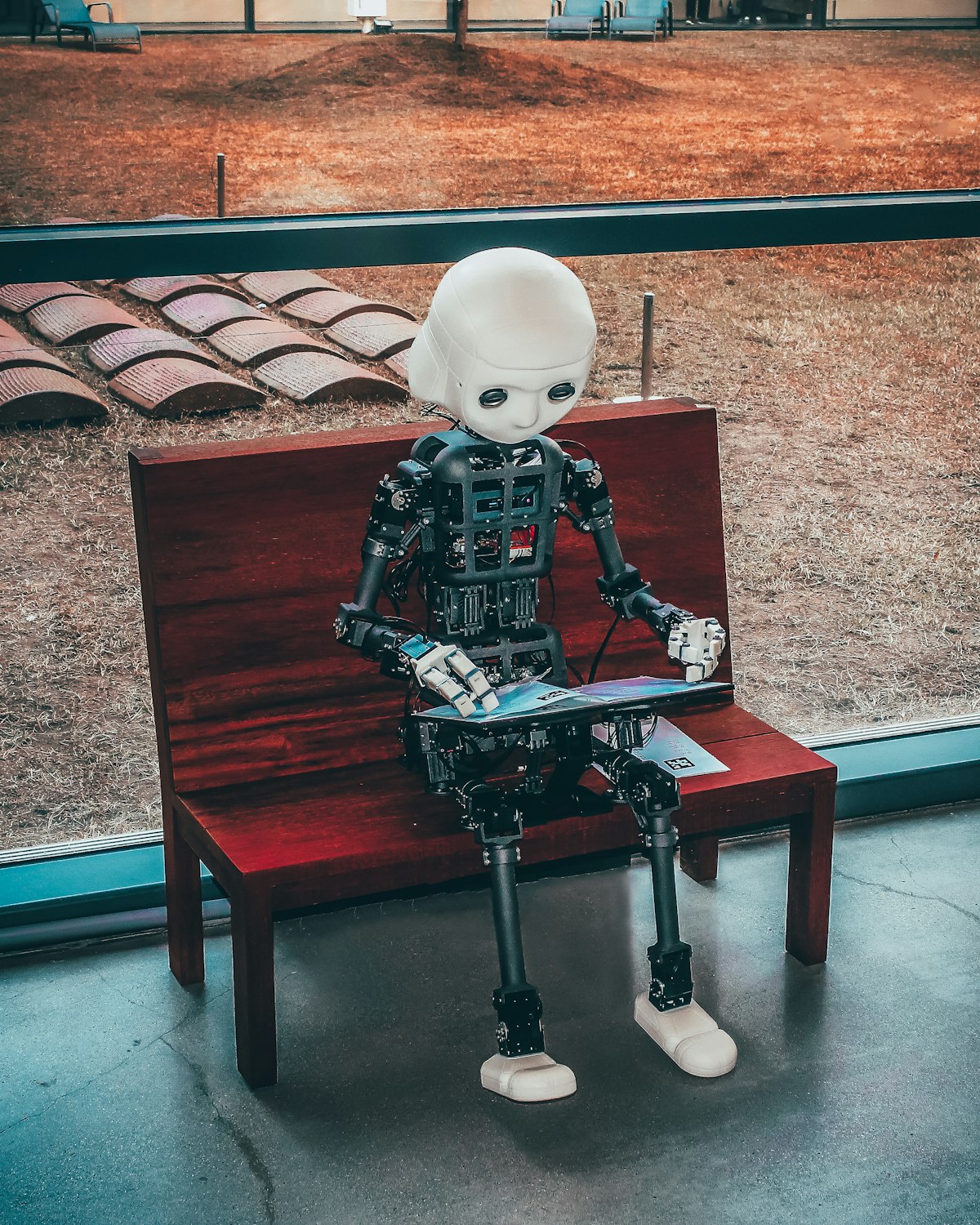
GPT Image 2 is here. OpenAI announced and shipped its newest image generation model on April 21, 2026 — the same day the company confirmed DALL-E 2 and DALL-E 3 will retire on May 12, 2026. If you've been watching for the GPT Image 2 release date, this is it: ChatGPT users on Plus, Team and Enterprise have access today, and the API rolls out the first week of May. We'll walk through every change that matters, why this is bigger than a normal model bump, and the one feature that will quietly reshape how video and GIF creators work this year.
GPT Image 2 release date and rollout
GPT Image 2 launched on April 21, 2026. ChatGPT Plus, Team and Enterprise subscribers got access on day one, with rollout to free-tier users staged across the following two weeks at lower rate limits. The API arrives the first week of May with pricing that lands roughly 20% above GPT Image 1 per generation, but with native 2K output and up to 8 frames per call — so the per-frame cost is actually lower if you're producing animation source material.
OpenAI confirmed in the same announcement that the older DALL-E 2 and DALL-E 3 endpoints retire on May 12, 2026. This is a hard cutoff, not a soft sunset. Anyone with production pipelines on those endpoints has roughly two weeks to migrate. GPT Image 1 stays available indefinitely as the budget-tier static-image model.
Sponsored
What's new in GPT Image 2
Three changes account for almost everything you'll feel when you use the model. First, text rendering: GPT Image 2 produces clean, readable, kerned text inside images at a quality level no public model has hit before. Logos, signage, product mockups, meme captions — all of it works on the first generation instead of the fourth. Second, native 2K resolution. GPT Image 1 capped at 1024px and required external upscaling for anything print-ready; GPT Image 2 outputs 2K natively and includes a built-in 4K upscale that doesn't smear faces or hands. Third — and this is the quiet one — multi-frame consistency. You can request up to 8 frames in a single generation and the model maintains character identity, lighting and style across all of them. That single change turns GPT Image 2 from an image tool into an animation tool.
The Thinking mode
GPT Image 2 introduces an agentic 'Thinking' mode that runs a planning step before drawing pixels. For complex compositions — multiple subjects, embedded text, branded scenes — it dramatically improves first-shot accuracy. It's slower (roughly 2x the latency of standard mode) and more expensive per generation, so most creators will toggle it on only for hero shots and final outputs.
Free tool
Turn your GPT Image 2 video into a GIF
Trim, resize, set FPS — make a perfect GIF from any AI video. Free, no watermark.
Try videogifmaker.comWhy this matters for video and GIF creators
Multi-frame consistency is the headline feature for anyone producing motion content. Until April 21, every AI-generated GIF involved either fighting character drift across frames, or generating a single image and animating it externally. GPT Image 2 collapses both problems: ask for 'a corgi waving paw, 8 progressive frames, consistent character, white background' and you get back a near-loop-ready sequence. Drop those frames into a stitcher and you have a polished GIF in under a minute.
The text rendering improvement matters too. Reaction GIFs and meme GIFs live or die on readable captions. Until now, AI-generated GIFs gave themselves away with garbled lettering in any text-heavy frame. GPT Image 2 fixes that — captions stay pixel-identical across frames, which is the only way text-overlay GIFs actually look professional.
Sponsored
GPT Image 2 vs GPT Image 1 vs DALL-E 3
Here's the side-by-side. The DALL-E 3 column is included for one reason: anyone with workflows on it has two weeks to migrate.
| Feature | DALL-E 3 | GPT Image 1 | GPT Image 2 |
|---|---|---|---|
| Released | Oct 2023 | Aug 2025 | April 21, 2026 |
| Text rendering | Poor | Good | Excellent |
| Max resolution | 1024px | 1024px | 2K native / 4K upscale |
| Multi-frame output | Up to 8 frames | ||
| Reasoning mode | Yes (Thinking) | ||
| API available | Yes | Yes | Yes (May 2026) |
| Status | Retiring May 12, 2026 | Active | Current |
The 3-step workflow we're running this week
Free tool
Turn your GPT Image 2 video into a GIF
Trim, resize, set FPS — make a perfect GIF from any AI video. Free, no watermark.
Try videogifmaker.comFrequently asked questions
When was GPT Image 2 released?+
What's the biggest difference between GPT Image 2 and GPT Image 1?+
Is DALL-E 3 still available?+
How much does GPT Image 2 cost on the API?+
Can I use GPT Image 2 to make GIFs?+
The bottom line
April 21, 2026 will be the date we point to in two years when explaining when AI image generation crossed from 'novelty' to 'production.' GPT Image 2 is good enough that the bottleneck moves: generating the image is no longer the hard part. Turning that image — or 8 frames of it — into something your audience actually sees in motion is. That's a tooling problem, and it's solved.
Free tool
Turn your GPT Image 2 video into a GIF
Trim, resize, set FPS — make a perfect GIF from any AI video. Free, no watermark.
Try videogifmaker.com
About the author
Lena Park — Senior Editor — AI Imaging & GIF Workflows · Lena has spent 6 years building creator tools across AI image generation, video-to-GIF pipelines, and asset libraries. She covers OpenAI, Anthropic and the major image-model releases for the videotogifs network.